
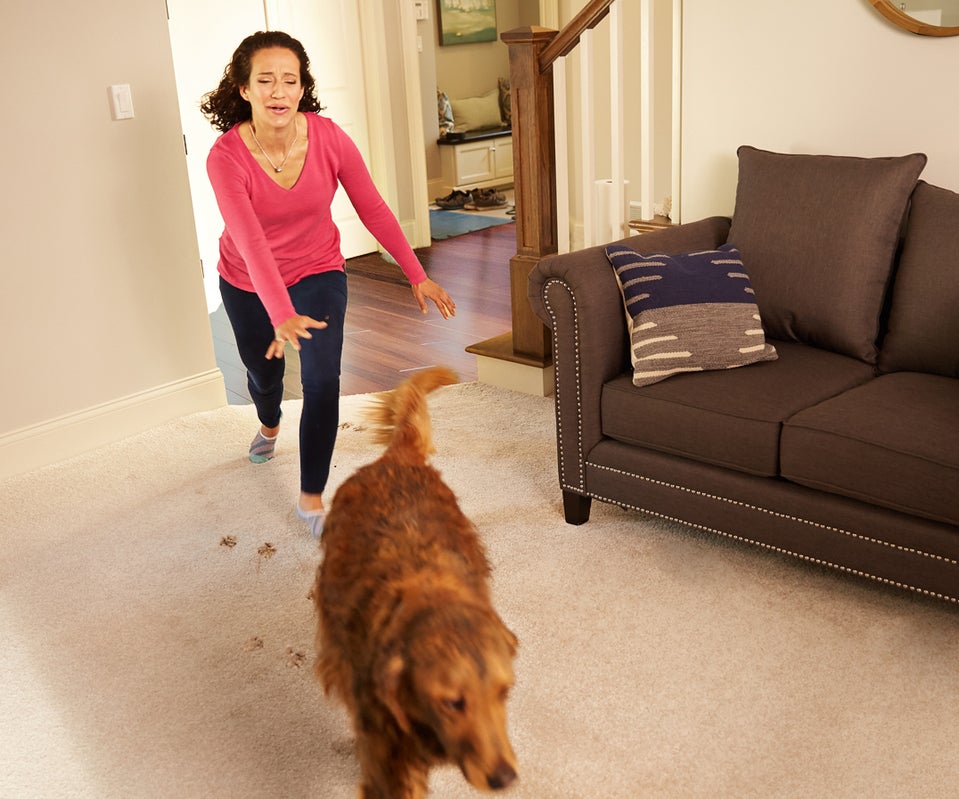
If you’re a pet owner, there’s nothing quite like watching your dog race to the door after a romp outside, its paws coated in mud. This familiar scene is half-delightful, half-frustrating...you know your furry friend is about to leave behind smeared paw prints across the floors you’ve worked hard to keep clean!
Pets bring joy and companionship, but they also bring a whole lot of dirt, grit, and moisture that takes a toll on your floors. But with a mix of prevention tactics and clever cleaning methods, you won’t have to resign yourself to permanent stains and scratches.
Today, let’s look into why muddy paws are so tough on floors and how you can curb the mess at its source with some simple tips.
Why Muddy Paws are Tough on Floors
At first glance, your pet’s muddy paws may seem harmless. They’re just a small mess you need to clean up quickly, right?
In reality, damage from your pets’ messes adds up considerably over time. When moisture seeps into cracks and seams, it can cause swelling in hardwood or bubbling in laminate. Dirt and grit grind against your flooring’s finish like sandpaper, which dulls the shine of wood, vinyl, or tile over time. Even your carpet isn’t safe! When soil and moisture settle deep into its fibers, stains and odors can linger long after the mud dries.
There’s also your family’s health to consider. The grime your pets track in can carry bacteria and outdoor chemicals that compromise your indoor air quality. This repeat exposure wears down finishes over time and shortens flooring lifespans. It can also make the cleaning process more complicated.
Those muddy paws are a challenge that requires proactive prevention and a careful cleaning approach for each flooring type you may have in your home.
Stopping Mud at the Door
With some slight adjustments, you can prevent hours of cleaning. Your primary goal should be to keep as much mud as possible from making it past your front door.
This means you’ll need to work out a paw-cleaning routine. Keep a basket of old towels or pet-safe wipes by the door to make it simple to dry and wipe paws before your dog sprints into your home. You’ll even find portable (and cute!) paw-washing cups on the market that many pet owners swear by. Your pet will need to get used to stopping for a quick paw cleaning, but after a few attempts it should get easier and even fun for your dog, like a quick foot massage!
The design of your entryway matters as well. Have a heavy-duty mat in place to scrape off outside dirt and a washable runner or absorbent rug inside to catch any leftovers. A boot tray near the door doubles as a spot for shoes, and paws, to settle until they’re clean.
Protecting Each Flooring Type from Muddy Paws
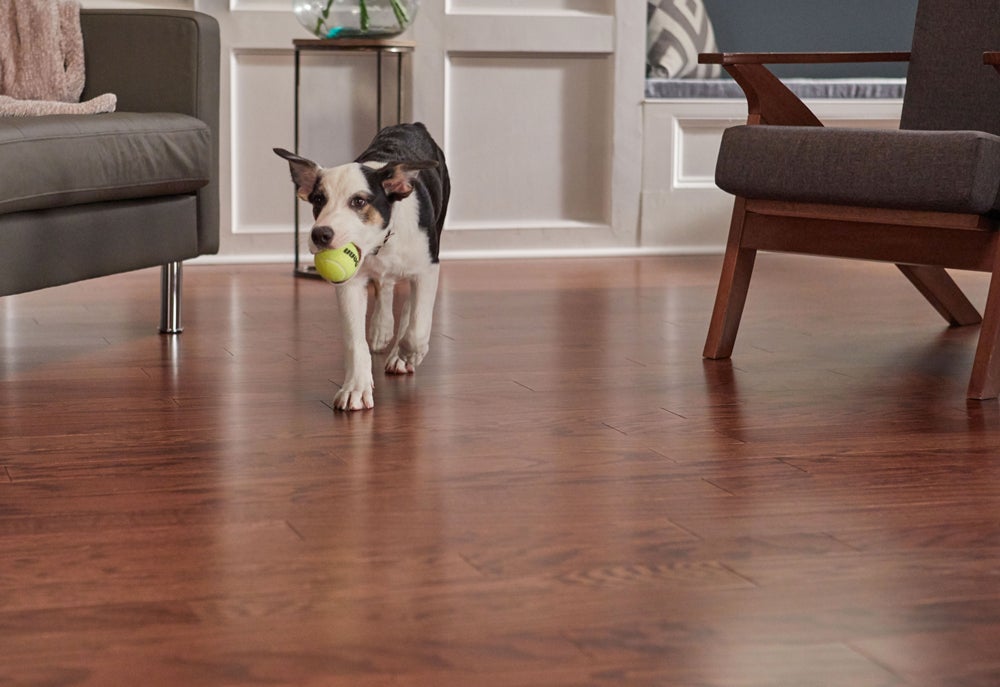
Hardwood - Moisture from muddy paws can cause swelling in vulnerable wood materials. As it dries, the dirt and grit spreads and scratches through protective finishes. It’s difficult to reverse once the damage sets in.
Your goal should be to respond rapidly. Wipe up paw prints ASAP with a microfiber cloth or mop. Never let the moisture linger. Find a pH-neutral wood cleaner for deep cleaning (always check your manufacturer’s guidelines before using any cleaner) and avoid harsh chemicals that can strip the finish and make the surface even more vulnerable.
For long-term protection, add area rugs in high-traffic zones (especially the entryway and hallways). Consider resealing your hardwood every few years to strengthen its shield against water and dirt.
Vinyl and Laminate - Plenty of modern vinyl and laminate flooring products are marketed as pet-friendly. They resist moisture much better than hardwood and are easier to clean. Even then, muddy paws can leave scratches and streaks if you don’t address them quickly.
Stay consistent. Sweep and vacuum daily during the muddy seasons to remove grit that can scuff the surface. When you clean, use a damp microfiber mop and a manufacturer-approved cleaner. Try to stay away from steam mops or abrasive scrubbers that weaken seams or strip away protective layers.
You can also place washable mats by doggy doors or water bowls where you see the majority of spills and paw prints. A waterproof mat under their food and water bowls can work wonders.
Tile and Grout - If you have tile, you probably don’t spend much time worrying about it. It’s one of the toughest surfaces you can choose as a homeowner, but you still shouldn’t overlook its weak point: the grout.
Moisture from mud settles into grout lines and leaves behind dark stains that are difficult to remove once set. Even the tile itself can develop a dull haze if muddy water dries before it’s been cleaned.
You should seal your grout lines each year before your yard gets truly muddy. Good grout sealer can repel both dirt and moisture, which makes cleanups far simpler. In winter and rainy seasons, mop your tile floors regularly with a pH-neutral cleaner to prevent residue buildup. Stubborn stains can be removed with baking soda and water pastes that also gently lift discoloration from grout.
Carpeted Floors - Carpet is by far the most vulnerable flooring type to the threat of muddy paws. Carpet fibers soak up moisture, and stains and odors linger once dirt works its way down.
Take quick action when mud is fresh. Blot (don’t rub) with a clean towel to lift as much as you can before it sets. If a stain has already dried, gently vacuum before treating it with a vinegar-and-water solution or a pet-safe carpet cleaner to break it down, making sure to consult the manufacturer’s guidelines first.
Place washable area rugs in high-traffic zones to seriously safeguard your carpet. Near entryways or along hallways your pets frequent will typically be the best spots. Then all you need to do is toss them into the washer when they collect dirt.
Long-Term Flooring Protection for Pet Owners
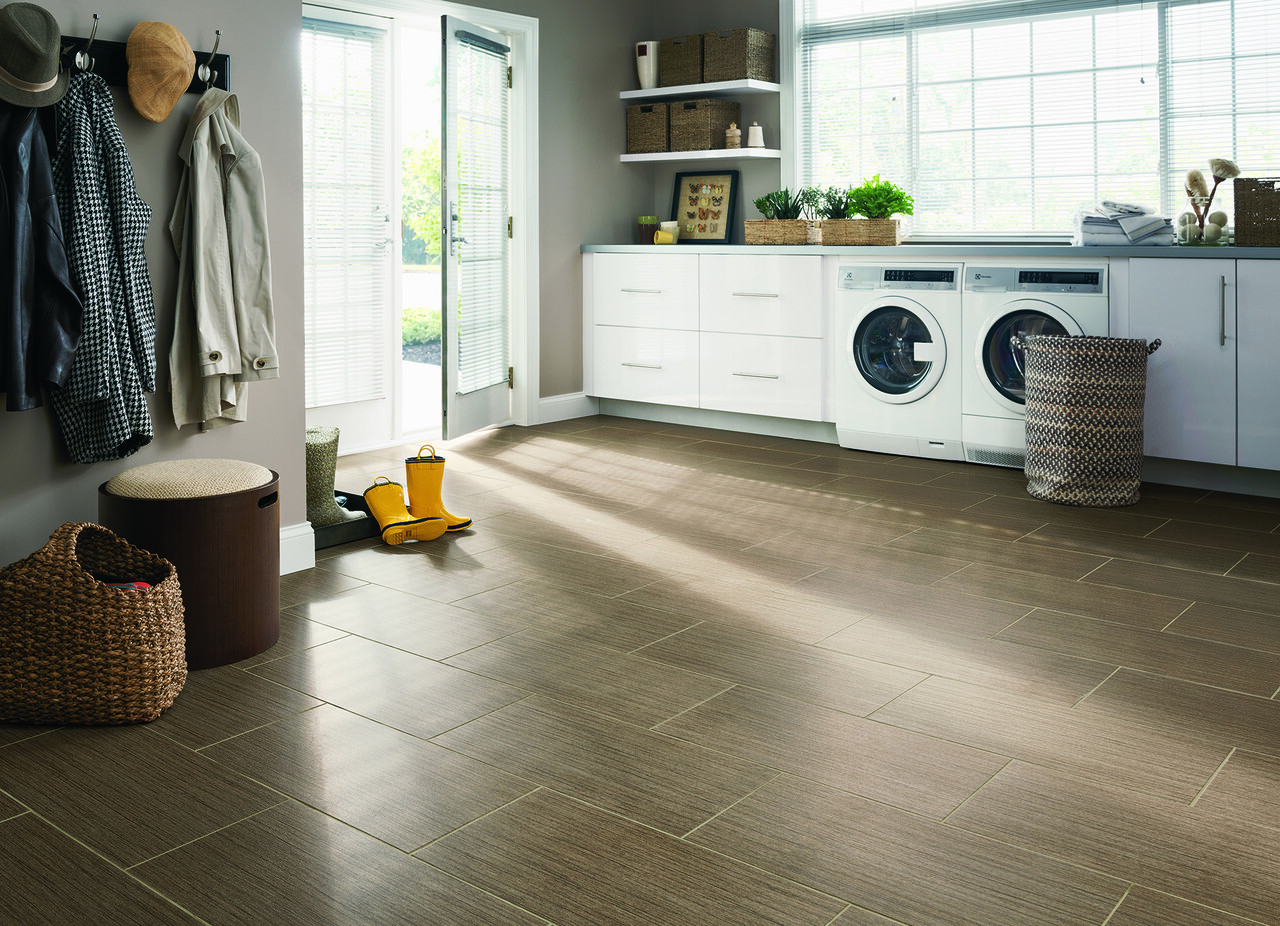
If you have the space, designate a mudroom or entry zones where you can wipe your pets down before they enter main living areas. You can even use a corner with hooks for towels, a boot tray, and a washable rug if you don’t have a separate space.
Make an investment in durable, washable rugs and runners for the highest traffic areas of your home to add ongoing protection. You’ll find plenty available that are specifically designed for homes with pets and will stand up to repeated washing.
Eventually, you might even choose to install new flooring with your pets in mind. Empire Today® offers plenty of pet-friendly options that provide resistance against muddy paws while still maintaining a stylish appearance.
Don’t Be Afraid of Muddy Paws
We pet owners have to accept muddy paws as a part of life. As long as we use a little prevention at the door coupled with consistent cleaning habits and protective strategies for flooring, we can enjoy that life even more.
Curious about how you can keep every floor in your home protected against everything life throws its way? Check out the many detailed posts on the Empire® blog to learn more. And if you’re interested in upgrading your home’s flooring with your pets in mind, schedule a FREE in-home flooring estimate from our team today.