
If you’ve ever driven through a quiet neighborhood dotted with wide, single-story homes that seem to stretch comfortably across the land, chances are you’ve seen a ranch style house. But makes a ranch style home exactly? More than just a popular choice in mid-20th century America, the ranch home has become a symbol of casual living, suburban growth, and indoor-outdoor harmony.
This guide dives into ranch style architecture, ranch house plans, and explains why this architectural style still appeals to homeowners today.
The Origins of Ranch Style Homes
The ranch style house was born in the 1930s, inspired by Spanish colonial homes and the wide-open landscapes of the American West. California ranch designs, in particular, took cues from adobe dwellings, emphasizing outdoor space, stucco exteriors, and a low pitched roof. By the 1950s, the suburban ranch became the go-to architectural style for families seeking practicality, comfort, and affordability.
Builders loved ranch house plans for their efficiency. Homebuyers loved them for their open layout, attached garage, and spacious living area. Real estate listings across the country, from southern California to North Carolina, were dominated by ranch homes.
Defining Features of a Ranch Style House
So, what makes a ranch home stand apart from other house styles? While variations exist (raised ranch, storybook ranch, split level ranch), most share these defining traits:
Single-story living – Ranch style homes typically spread out horizontally instead of vertically.
Low pitched roof – This feature gives ranch homes their recognizable silhouette.
Open floor plan – A hallmark of ranch style architecture, offering flow between the living room, dining room, and kitchen.
Attached garage – As car culture grew in the 20th century, ranch style house plans often included garages as standard.
Indoor outdoor living – Sliding doors, patios, and expansive windows bring the outdoor living space right into the home.
Functional house plan – Every square foot is designed with practicality in mind, making the ranch house style perfect for growing families.
Types of Ranch Style Homes
Ranch homes aren’t a one-size-fits-all category. Over the decades, different versions of the ranch style house emerged across America. Let’s break down the most common:
California Ranch
California ranch houses are sprawling, informal, and deeply connected to outdoor living. Their wide footprints often include courtyards and direct access to the backyard, making them ideal for warm climates like southern California.
Suburban Ranch
The suburban ranch became the classic post-war choice, especially for homeowners in growing neighborhoods. With modest footprints, these ranch house plans emphasized affordability while still including an open concept layout.
Raised Ranch
Also called a split entry home, the raised ranch is a two-level variation where the front door opens to a landing. From there, stairs lead either up to the main living area or down to a finished basement. Raised ranch homes provided more living space without requiring a multi-story home.
Split Level Ranch
Similar to the raised ranch but with staggered floor levels, split level ranches created designated zones for living, sleeping, and recreation. The style offered a clever way to separate spaces while still maintaining an open layout feel.
Storybook Ranch
Storybook ranch houses brought whimsy to the mix, often featuring decorative trim, asymmetrical rooflines, and charming details. Think of them as the playful cousin of the more straightforward rambler house.
Rambler House
Also known as a rambler home, this style mirrors the ranch’s sprawling, single-story layout. Rambler houses emphasize long horizontal lines and simple home design, making them one of the most enduring types of ranch style homes.
Ranch Style Architecture and Design Ideas
Ranch style architecture is often described as unpretentious, functional, and versatile. But that doesn’t mean it lacks character. With the right design ideas and interior design choices, ranch homes can look timeless, or even modern.
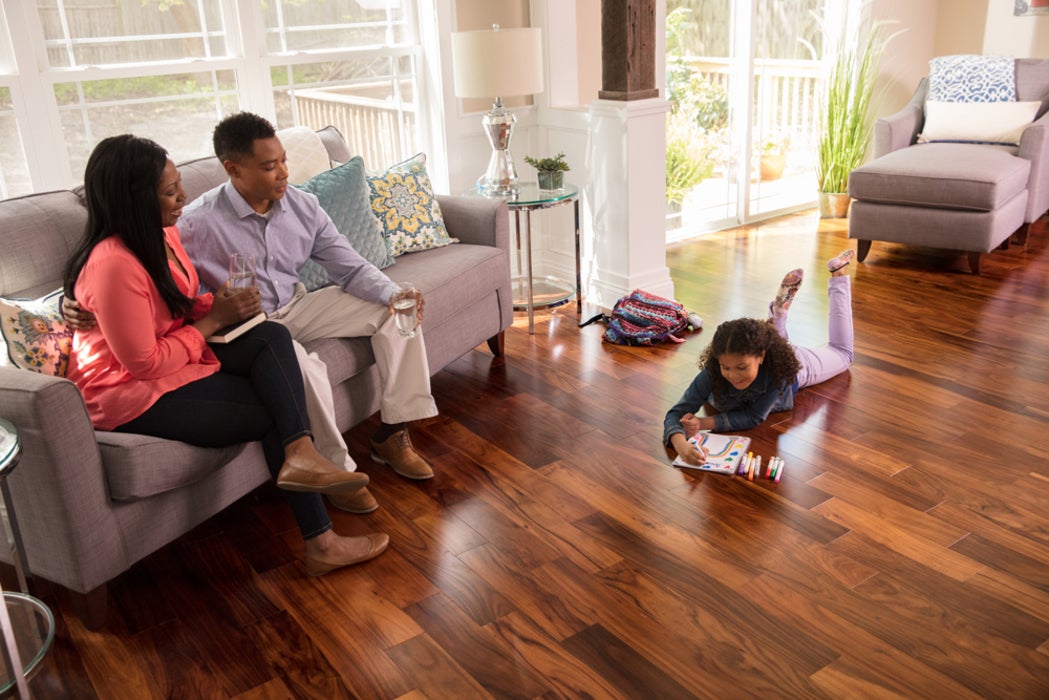
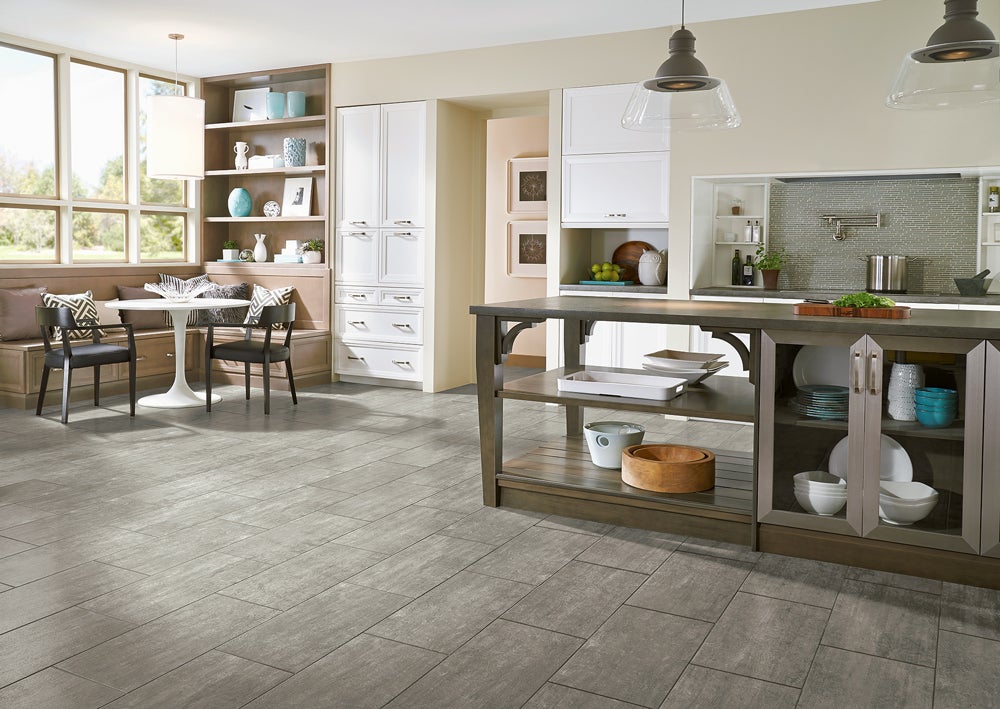
Flooring: Wide-plank hardwood or luxury vinyl plank suits the open floor plan of a ranch style home, helping to tie the living room, dining room, and kitchen together seamlessly.
Natural light: Large windows and sliding doors maximize the connection between indoor and outdoor space.
Outdoor living space: Patios and decks extend the living area, encouraging indoor outdoor living.
Interior design: Ranch house interiors work well with mid-century modern furnishings, rustic accents, or even minimalist clean lines.
Color palettes: Neutral tones enhance the open concept layout, while bold accents add personality without overwhelming the style.
Ranch Homes in Modern Real Estate
Although ranch style architecture peaked in the mid-20th century, it never truly went out of fashion. Today, modern ranch style homes blend classic ranch features with contemporary updates: eco-friendly materials, energy-efficient layouts, and stylish home design elements.
Real estate buyers often appreciate ranch homes for their accessibility (no stairs), flexibility (easy to expand with additions), and flow (open concept layouts). In fact, ranch style homes are seeing a resurgence among younger homeowners who value the simple lifestyle these houses encourage.
The Appeal of the Ranch House Plan
Why does the ranch style house continue to capture hearts? Here are some reasons homeowners love them:
- Accessibility – With everything on one level, a ranch home is perfect for aging in place.
- Versatility – Ranch style house plans adapt easily to renovations, whether you’re adding a sunroom, expanding the living area, or updating the outdoor living space.
- Affordability – Compared to multi story homes, ranch houses are often easier to build and maintain.
- Casual living – From the open layout to the backyard connection, the ranch style home celebrates relaxed living.
Ranch Style House Plans: What to Expect
If you’re considering a ranch house plan, you can expect to find the bedrooms clustered on one side for privacy as there is only one level to the home. The open concept layout started coming into fashion with the ranch style home, so you're likely to find the living, dining, and kitchen areas either partially or completely connected. An attached garage, either one- or two-car are the most common outdoor features among ranch homes.
Whether it’s a suburban ranch or a raised ranch, the floor plan emphasizes flow, comfort, and connection to the outdoors, while the low-pitched roof keeps the silhouette simple and horizontal.
Modern Ranch Style Homes: Today’s Twist
Modern ranch style homes keep the bones of classic ranch architecture but add new flair. Sleek materials, large expanses of glass, and updated interior design trends give these homes a fresh appeal. For example, pairing open layouts with energy-efficient windows transforms the classic ranch into a bright, sustainable living space.
Empire Today® offers a variety of floors that complement the modern ranch style house like waterproof vinyl, engineered hardwood, or cozy carpet, offering durability and design flexibility.
Ranch Homes vs. Multi Story Homes
While ranch homes spread out horizontally, multi-story homes grow vertically. The difference comes down to lifestyle preference. A ranch style home offers ease of movement and accessibility, while multi story homes maximize square footage on smaller lots. Homeowners choosing between the two should consider their needs for space, convenience, and long-term living.
Ranch Style Living: Is It Right for You?
So, what is a ranch style home in practice? It’s more than just an architectural style, it’s a way of living. It’s sipping coffee in your living room while sunlight streams through a bay window. It’s hosting friends in a dining room that flows into the kitchen. It’s grilling in your outdoor living space while kids run between indoors and outdoors.
If you’re a homeowner exploring ranch style architecture in one of our service locations and are curious about which flooring would work best, the team at Empire Today can help! Call or go online to schedule a free, in-home estimate to learn more.