


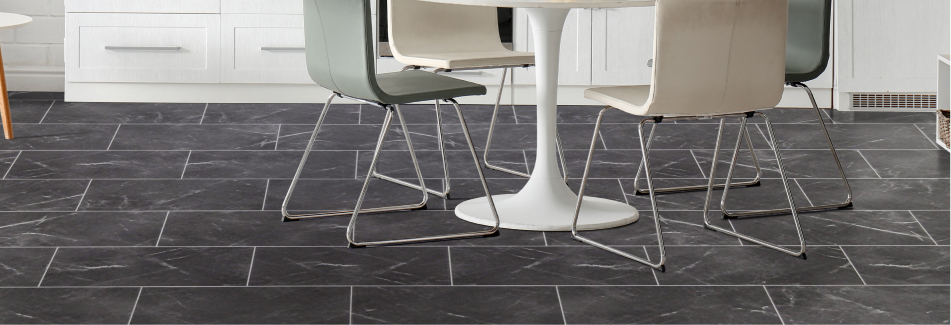
More than any other part of your home, your kitchen takes a beating. It’s where you cook, clean, and – being totally honest – occasionally drop heavy cast-iron skillets on the floor. Your family, your friends, pretty much everyone congregates in the kitchen.
Obviously, your kitchen floor gets the worst of it. And even the toughest tile flooring will start showing signs of stress: scratches, cracks, loose grout, and more.
Fortunately, there are many simple ways to protect kitchen floor tiles before they reach that dreaded point of no return. So, whether you want to prevent damage altogether or handle cracked tiles in the kitchen that have already occurred, read on. We’ll cover the right materials and techniques you can use to help extend the life of your kitchen flooring.
What Causes Tile Damage in the Kitchen?
Your kitchen tiles are super durable compared to many flooring types, but they are by no means invincible. Some of the biggest culprits behind chipped, cracked, and worn-down tile floors include:
Heavy Impacts
Carrying too many dishes across the kitchen only to watch one teeter and fall off the edge – we’ve all been there. And when it hits your ceramic or porcelain tiles, it doesn’t matter how tough they are. Direct impacts from heavy objects like pots and pans or other cookware can still cause cracks and chips.
Furniture
Stop leaning back in your barstools! The legs on your kitchen furniture, including stools, dining chairs, even the refrigerator, can slowly wear down your tiles. Any time they shift or scrape the tile surface, they create micro-scratches that weaken the surface over time.
Water Damage & Grout Erosion
It’s the kitchen – you should expect spills and splashes. But the mess itself isn’t the issue. It’s what happens when liquid seeps into the grout lines and loosens the tiles. This can even lead to cracks from underneath. Pay close attention to your kitchen grout: if it looks crumbly, discolored, or cracked, it’s probably already absorbed more moisture than it should.
Dirt & Grit
A single dust particle may be harmless, but a layer of it on your tile can cause more damage than you’d think. These tiny debris particles get ground into your tile surface every day, which is almost like taking sandpaper to it. Each step you take grinds the dirt and dust in further, which increases wear and dulls the finish. Sweep regularly or else you’ll essentially be slowly sanding your floor down day in and day out.
Poor Installation
If your tiles weren’t installed properly on a level subfloor or the incorrect adhesive was used, there’s a solid chance they’ll shift and crack under pressure. Keep an eye out for multiple tile cracks appearing in the same area – that’ll indicate improper installation and will give you a clear strategy moving forward to protect your kitchen floor tiles. Of all flooring types, tile is often the most susceptible to damage that results from improper installation. That’s why it’s a good idea to hire a trusted professional installation service to do the work.
How to Protect Kitchen Tiles from Damage
If you want to take precautions and add some extra protection for your kitchen tiles, you don’t have to perform expensive renovations. With a few smart habits and the right materials, you can make sure they last.
1. Place Protective Mats and Rugs in High-Traffic Areas
You’ll probably notice that most foot traffic falls around your sink, stove, and entryways. That means those spots will take the most damage. Cushion them with non-stick mats or rugs to absorb impacts and reduce wear. You can also place runner rugs in hallways or by doorways to trap dirt and debris before they ever touch your tile.
One note here: don’t use rubber-backed rugs in your kitchen. They tend to trap moisture beneath them, which can lead to rapid grout deterioration or even mold. Stick to breathable materials with non-slip pads underneath.
2. Use Furniture Pads Against Pressure and Scratching
Heavy appliances and anything you and your family and friends put their weight on in the kitchen can slowly grind your tiles down any time they move. Over time, your tiles will show wear and tear and even crack from the prolonged pressure.
Stick felt pads under chair legs and tables to reduce friction. Find rubber protectors for furniture like refrigerators or mobile islands to better distribute their weight. Also, make sure you check your pads frequently – they can do more harm than good if they collect grit!
3. Seal Your Tiles & Grout Against Moisture Damage
Your tiles themselves are naturally water-resistant, but your grout is not. And if your grout is unsealed, it’ll absorb water which weakens adhesion, stains it, and could lead to cracks.
That’s why you’ll need to use a high-quality grout sealer every few years to keep moisture out. If within your manufacturer’s guidelines, find a penetrating sealant that promotes deep protection rather than just a surface-level coating. And any time you have a spill, wipe it up immediately – even sealed grout can weaken over time if it’s repeatedly exposed to water.
4. Sweep & Mop Regularly to Prevent Grit Build-Up
Even if you can’t see it with the naked eye, tiny grains of dirt and debris can collect on your surfaces. The longer they sit, the more damage they do when you walk across your kitchen.
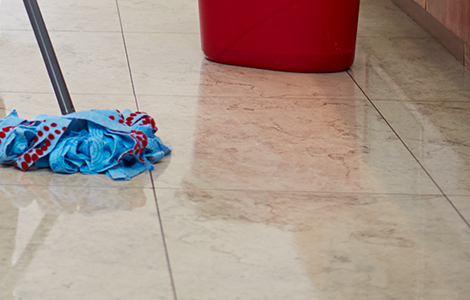
If you want to protect your kitchen floor tiles, sweep or vacuum on a daily basis. Find and use a microfiber mop as opposed to rough bristles or sponges which could trap the grit. And when you mop, use pH-neutral cleaners as harsh chemicals can degrade tile surfaces over time. Always check with your manufacturer’s guidelines first.
5. Lift Heavy Objects, Don’t Drag Them
This should be obvious, but it’s worth mentioning! Any time you move a heavy appliance or piece of furniture across your kitchen – even if it’s just a small shift to clean underneath them – lift instead of dragging. One of the easiest ways to crack a tile is to grind a heavy object across it.
If the object is way too heavy to lift practically (like a refrigerator or island) make sure you have furniture sliders beneath them.
6. Wear Indoor Shoes!
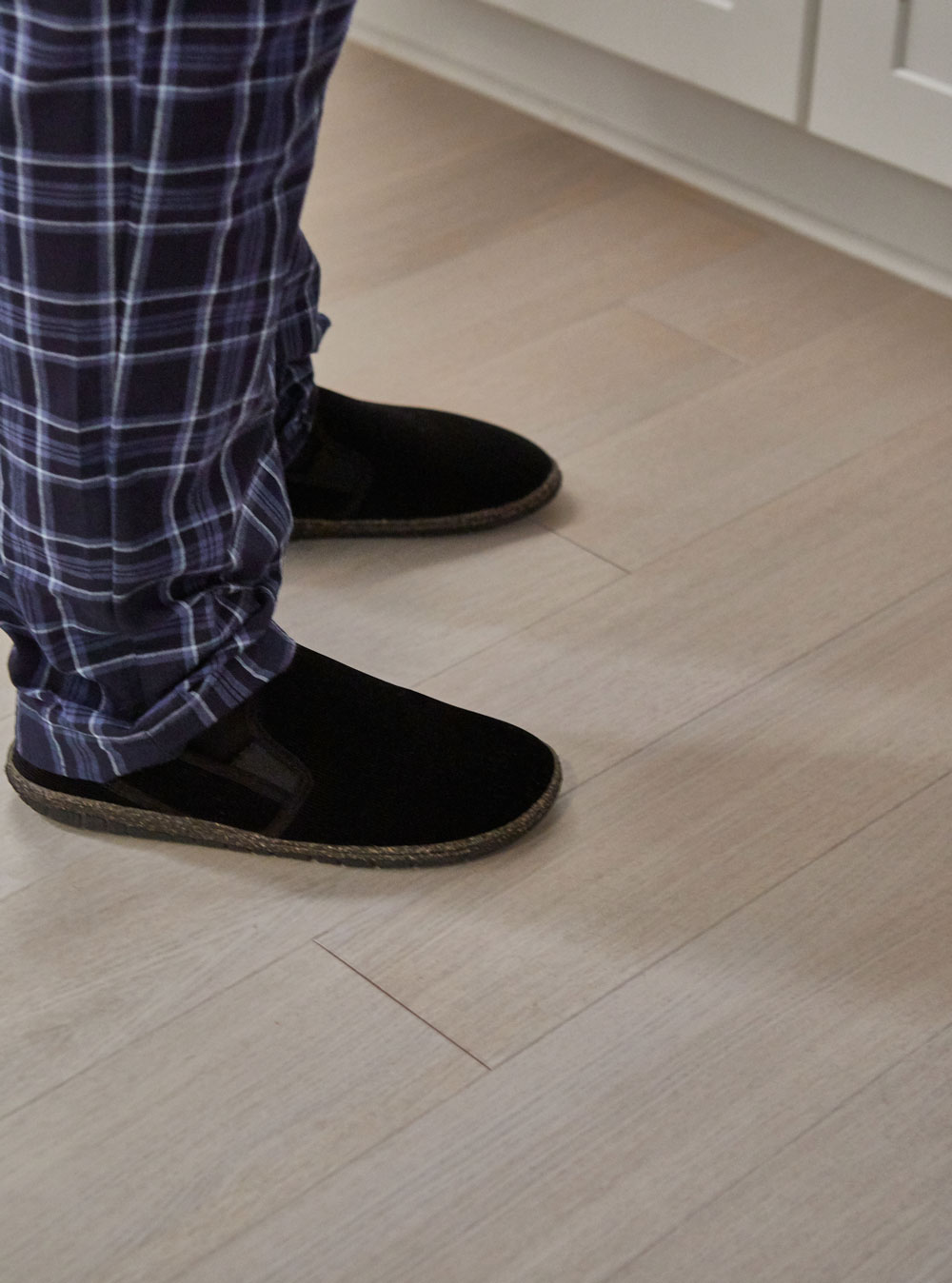
Here’s more common sense, but you’d be surprised at how impactful (or not!) this tip can be. Invest in some cheap indoor shoes or slippers and use these instead of your daily wear shoes. Anything with a hard sole like high heels can cause micro-cracks in tile.
What to Do with Cracked Tiles in the Kitchen
Even with a ton of precautions, accidents still happen. Don’t panic if you’re already seeing cracked tiles in the kitchen – there are loads of ways to fix the issue without replacing your whole floor. Always reference your manufacturer’s guideline before moving forward with repairs.
Know When to Repair vs. Replace
- Hairline cracks:Usually, all you need to repair these is epoxy resin or grout filler.
- Chipped edges:As long as it’s a small chip that’s not spreading, you can disguise it with color-matched paint or a tile repair kit.
- Large cracks:For these, replacing the individual tile is the bestoption. Cracks tend to expand over time.
Fix Minor Kitchen Tile Cracks Quickly
As long as your tile isn’t structurally compromised, you can patch it up with a few easy solutions.
- Epoxy resin or tile filler:These products are designed to address hairline cracks and can prevent further damage to your floor.
- Matching touch-up paint:If you can see the crack but know itwon’tspread, paint over it so it blends in with the rest of the floor.
Keep in mind that these are temporary fixes at best. A cracked tile is a weakened one, and if you notice cracks spreading after these fixes, you’ll need to replace it ASAP. However, it’s very easy to damage adjacent tiles when attempting to remove a broken one, so if you’re not well-versed in the art of replacing tile, you should enlist the help of a trusted professional to do the job.
Protecting Kitchen Floor Tiles Is Easy
Your kitchen tiles were a great investment from the very beginning. They’ll last longer and look better than many other flooring options for a long, long time. But they’ll still need a bit of simple care to keep them in their best shape.
Whether you’ve read this far with damage prevention in mind or you need to handle some minor issues, there’s a good chance you’re ready to protect your kitchen tiles. And if it’s time to upgrade your home floors, schedule a FREE in-home flooring estimate with a member of the Empire® team. We can’t wait to provide you with all the details you need to make an informed choice on your new floors!
