
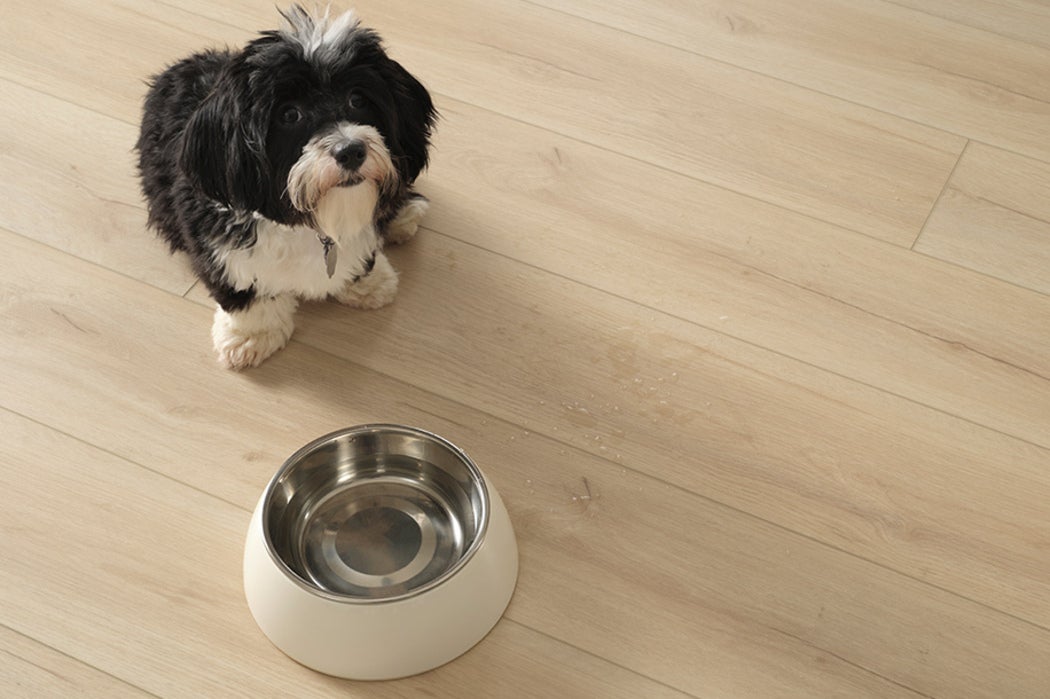
If you’re a pet owner, you definitely know this sound: the click-clack and scritch-scratch of claws skittering across your floor. It’s one of the many sounds of a happy home. But over time, those tiny impacts may leave visible scars on your flooring.
Whether it’s your dog zooming down your hallway after a walk in the park or a cat playfully sprinting to chase a laser pointer, pet scratches on flooring are a headache for any homeowner that wants their spaces to stay beautiful. Your goal, then, shouldn’t be to choose between pets and pretty floors. You can and should aim to have both coexisting peacefully.
Fortunately, with a few smart habits and the right cleaning approach, you can maintain those smooth and polished surfaces. First, let’s figure out why pet scratches happen in the first place.
Why Pet Scratches Happen
Pet claws may be small, but they’re surprisingly powerful. Every step your pet takes transfers the pressure of their weight onto the floor into a concentrated point at the tip of the nail. On a softer material like hardwood or vinyl, such pressure leaves tiny dents that may go unnoticed at first but can accumulate clearly over time.
Add in sliding paws from quick turns or rushing to greet someone at the front door, and those dents can grow into visible scuffs and scratches over time.
Your surface finish matters just as much as the flooring material itself. With glossy or darker flooring, you’ll see every mark (matte or textured finishes, on the other hand, do a better job of masking wear). Dirt and grit from muddy paws compound your problem and act like sandpaper that amplifies damage each time they move. Even tile floors can suffer stained or scuffed grout by the constant friction of pet claws.
In other words, scratches are the result of natural animal behavior and physics. You won’t be able to change the way your pets walk and play, but there are steps you can take to help prevent their claws from doing lasting harm to your floors.
Ways to Prevent Pet Scratches on Flooring
Keep Claws Trimmed and Paws Clean
The absolute most effective method for preventing pet scratches on flooring is to regularly groom those adorable paws. Too-long nails can become chisels otherwise, which can leave permanent lines even from light pressure. With a quick trim every few weeks to keep their claws short and rounded, you’ll reduce the chance of damage.
Keeping your pet’s paws clean matters just as much as nail trims when it comes to preventing grit buildup. Always have a towel or pack of pet-safe wipes near your entryways to remove dirt before it spreads indoors. For indoor-outdoor pets, you can even have a small rinse station or paw-cleaning cup to make the routine a seamless part of their day.
Add Nail Caps or Paw Protectors
Never heard of nail caps? Look it up if you don’t believe it! Soft vinyl nail caps are especially popular for cat owners. They act like tiny buffers between claws and surfaces, are easy to apply with pet-safe adhesive, and last for several weeks.
For dogs, you can give them booties or paw grips (if tolerated) that add traction and reduce their need for sharp braking on slick floors. Some pets will hate them at first, but most adapt quickly with consistent, positive reinforcement.
Use Rugs and Runners Strategically
Consider placing rugs or low-pile runners in hallways or areas your pet frequents throughout their day. They’ll help shield your flooring from scratches and give your pets better traction as they move around. This can go a long way towards reducing the frantic skidding that tends to cause the most damage in the first place.
Flooring Types and Their Resistance to Pet Scratches
Hardwood may be beautiful and timeless, but it’s more prone to pet scratches than most materials. This is due to its varying hardness. Species like hickory, oak, and maple can be far more resilient to damage than pine or birch. Homeowners with pets should opt for satin or matte finishes to hide imperfections over glossy ones and periodically reseal their hardwood to maintain a durable barrier.
Luxury vinyl plank has become a favorite among homeowners around the world, and part of that is due to its durability. Not only is it water-resistant, it often features a protective wear layer that defends against daily pet activity. Luxury vinyl also tends to be softer underfoot than traditional hardwood or tile, which helps makes it quieter and more comfortable for pets to walk on.
Laminate is a durable, popular choice among homeowners with pets and kids. You’ll want to look for a high-quality laminate with a thick wear layer and textured surface if you have cats, dogs, or both. And don’t go for a shiny finish, or you may end up highlighting every minor flaw.
Even the biggest dogs have a hard time doing damage to porcelain or ceramic tile. This means it’s a clear winner for overall scratch resistance. Still, the grout between your tiles can discolor or wear down over time, especially in a busy household. It’s important to seal your grout lines on an annual basis to keep the entire surface looking its best.
Carpet certainly can’t scratch, but claws can easily snag and pull fibers. This adds extra importance to trimmed nails, as frayed carpeting can unravel or mat down in pet-heavy areas. You also need to practice regular vacuuming and spot cleaning to help keep your carpet soft and intact with pets running across it every day.
Cleaning Tips to Manage Pet Scratches on Flooring
The cleaner you keep your floors, the most resistant they’ll be to scratching long-term. Dust and debris are highly abrasive under pet paws and wear away your protective coatings with every step. With regular cleaning, you can mitigate this hidden cause of damage.
- Sweeping and Vacuuming Daily: It may sound excessive, but a quick daily pass over pet areas makes a huge difference. Use a soft-bristle broom or vacuum with flooring-safe attachments to prevent adding scratches while you clean.
- Microfiber Mopping: Microfiber mops help trap fine dust and hair without grinding particles further into surfaces. Use as little water as possible, especially on hardwood, and pair it with gentle pH-neutral cleaners (always check the manufacturer’s guidelines before using any product on your floors). Avoid harsh detergents as they can strip finishes and make your surfaces vulnerable.
- Cleaning Spills Promptly: Pet water bowls, drool spots, and muddy paw prints leave behind residues that dull flooring. Wipe up moisture and pooling liquids immediately!
- Rotating Rugs and Furniture: If you shift your rugs and furniture slightly every few weeks, you’ll prevent uneven wear and scratching in primary traffic paths. This is particularly important for active households with multiple pets crossing the same routes.
Long-Term Floor Protection Strategies
The short-term habits described above prevent immediate damage, but it’s the long-term protection you’ll need to keep your flooring looking new for years to come.
Create Designated Pet Zones
If at all possible, give your pets specific play or rest areas lined with washable rugs or mats. These zones can absorb the majority of wear while helping protect the rest of your home from pet scratches on flooring.
Apply Furniture Pads and Floor Protectors
Many pets love napping under tables and squeezing between furniture. As a result, heavy items can be nudged slightly over time. Place felt pads under chair legs and couches to help prevent scuffs.
Refinish and Reseal Hardwood
Check your hardwood manufacturer’s guidelines for a durable coating to armor your flooring against pet claws. Then, reapply it every few years (or as specified in the instructions) to renew the surface and fill in any minor imperfections before they get worse. If you have a much older floor, consider a professional refinishing to restore sheen and increase resistance.
Consider Scratch-Resistant Flooring
The next time you remodel, think about materials designed with pet owners in mind, like pet-friendly luxury vinyl or laminate, or sealed tile. Modern surfaces like these combine beauty and durability, which let your pets live freely and save you from the constant worry of scratches.
Living with Pets and Beautiful Floors
Your pets bring energy and love into your home. Their claws may be tough on your flooring, but the right habits can keep your surfaces from becoming damaged and unsightly. Trim your pets’ nails, keep your floors clean, and make sure your flooring stays protected at all times.
It’s true that life with pets is rarely spotless, but it's possible for it to be scratch-free! And with the right approach, pet scratches on flooring will be something you rarely need to worry about.
Want to learn more tips and tricks for keeping your home’s flooring in the best possible condition for years to come? Explore more helpful articles on our blog!