
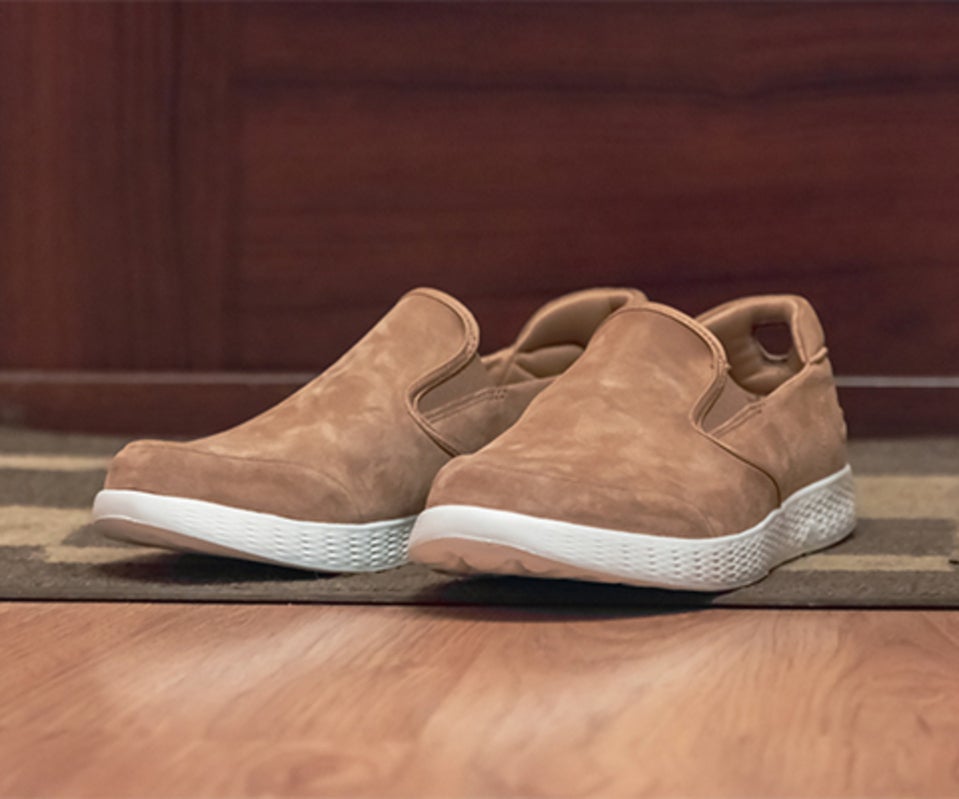
Your entryway is the first thing guests see and the last place your floors get a break. Muddy boots, dripping umbrellas, backpacks dropped mid-stride, and the dog's post-walk zoomies all land in the same few square feet. It's a lot to ask of any floor.
So which entryway flooring can keep up? The right answer depends on your climate, your household, and how much of a first impression you want to make. Let's walk through the options.
What Makes Entryway Flooring Different
Few spots in your home see as much concentrated traffic as the entry. Grit tracked in from outside acts like sandpaper on softer surfaces, and snow or rain can leave moisture near the door for hours. Your entry floor also has a design job to do: it sets the tone for the rest of your home and often has to flow smoothly into a living room, hallway, or mudroom.
When you're comparing materials, keep four things in mind:
- Moisture tolerance: How well does it handle wet shoes and spills?
- Slip resistance: Is it suitable for an area that may get wet? For tile floors, check the manufacturer's intended-use guidance and slip-resistance information. A texture or finish alone doesn't establish that a floor is safe when wet.
- Scratch and scuff resistance: Can it hold up to grit, pet claws, and dragged bags?
- Easy upkeep: How quickly can you get it looking clean again?
Best Flooring Options for Entryways
Carpet (With a Plan)
Wall-to-wall carpet isn't usually the first pick right at the door, but it can work in a foyer or entry hall that's a few steps removed from outside. Look for a low-profile style designed to help resist stains, and let a hard-surface landing zone catch the worst of the mess.
Tip: A two-zone entry (a hard surface right at the door with softer flooring beyond) lets you balance durability with comfort.
Tile
Porcelain and ceramic tile are longtime entryway favorites for good reason. They're hard, dense, and less likely to absorb moisture than most other options, which makes them a natural fit for snowy or rainy climates. Stone-look tile brings a high-end feel, while wood-look tile gives you the visual warmth of planks with a tougher surface. Before you fall for a style, confirm that the specific tile is intended for entry use and check its slip-resistance information.
The trade-off? Tile can feel cold and hard underfoot, so a rug is a smart addition. Choose one that stays securely in place and has manufacturer-approved backing, since a sliding rug on a wet tile floor creates its own hazard.
Vinyl
Luxury vinyl plank (LVP) has become one of the most popular choices for busy entries. Many styles have a wear layer that helps resist scratches and scuffs, and today's printing and texturing make wood-look vinyl surprisingly convincing. It's also softer and quieter underfoot than tile, a nice bonus if your entry opens right into your main living space.
For wet entries, look at the moisture guidance for the specific product you're considering. Water protection in the vinyl itself is not the same as protection for the entire floor assembly beneath it. Water can still find its way through seams or edges to the subfloor, so wipe up snowmelt promptly and ask about proper installation for your space.
Be picky about mats here, too. Our product care guidance advises against rubber-backed or non-ventilated rugs on vinyl, so look for mats with manufacturer-approved backing that stay put without trapping moisture.
Laminate
Laminate gives you the look of hardwood at a budget-friendly price, and many newer products are designed to handle everyday spills better than ever. Still, moisture that sits at seams can cause problems, so check the manufacturer's moisture guidance for your product, wipe up puddles promptly, and pair it with a sturdy doormat that stays securely in place during wet months.
Keeping Your Entryway Floors Looking Their Best
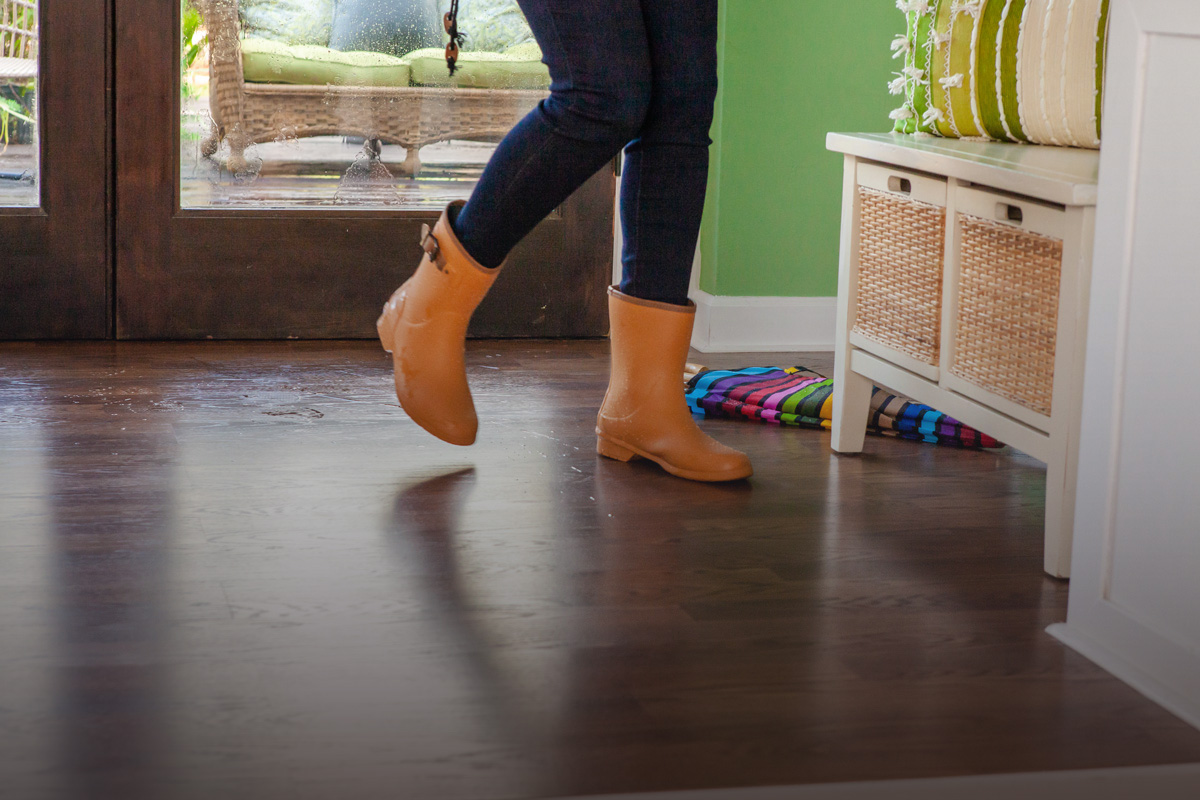
- Catch grit at the door: An outdoor mat plus an indoor runner can trap much of the dirt before it reaches your floors. Choose mats that stay securely in place and have manufacturer-approved backing, because "washable" or "heavy-duty" alone doesn't tell you whether a mat is compatible with your flooring.
- Sweep or vacuum often: Small particles can dull finishes over time, so a quick daily pass goes a long way. Check with your manufacturer for recommended vacuum settings and attachments.
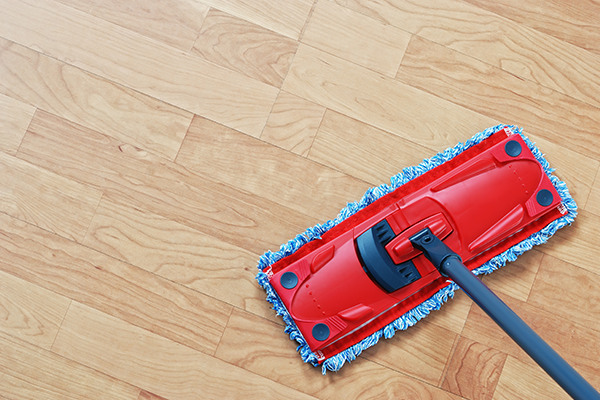
- Wipe up water quickly: Don't let snowmelt or rain sit, even on hard surfaces. For vinyl, a damp mop is typically the approach, while laminate calls for a slightly moist mop and a cleaner designed for laminate. Check with your manufacturer for approved cleaning products.
- Add a boot tray: Give wet shoes a dedicated spot so puddles don't spread.
Make a Great First Impression
The best entryway floor is the one that fits the way your household actually lives. If you're dealing with snowy winters and muddy paws, tile or vinyl is hard to beat, as long as you've checked slip resistance and moisture guidance for the specific product. If you want warmth and a seamless look into the next room, wood-look vinyl or laminate could be the sweet spot.
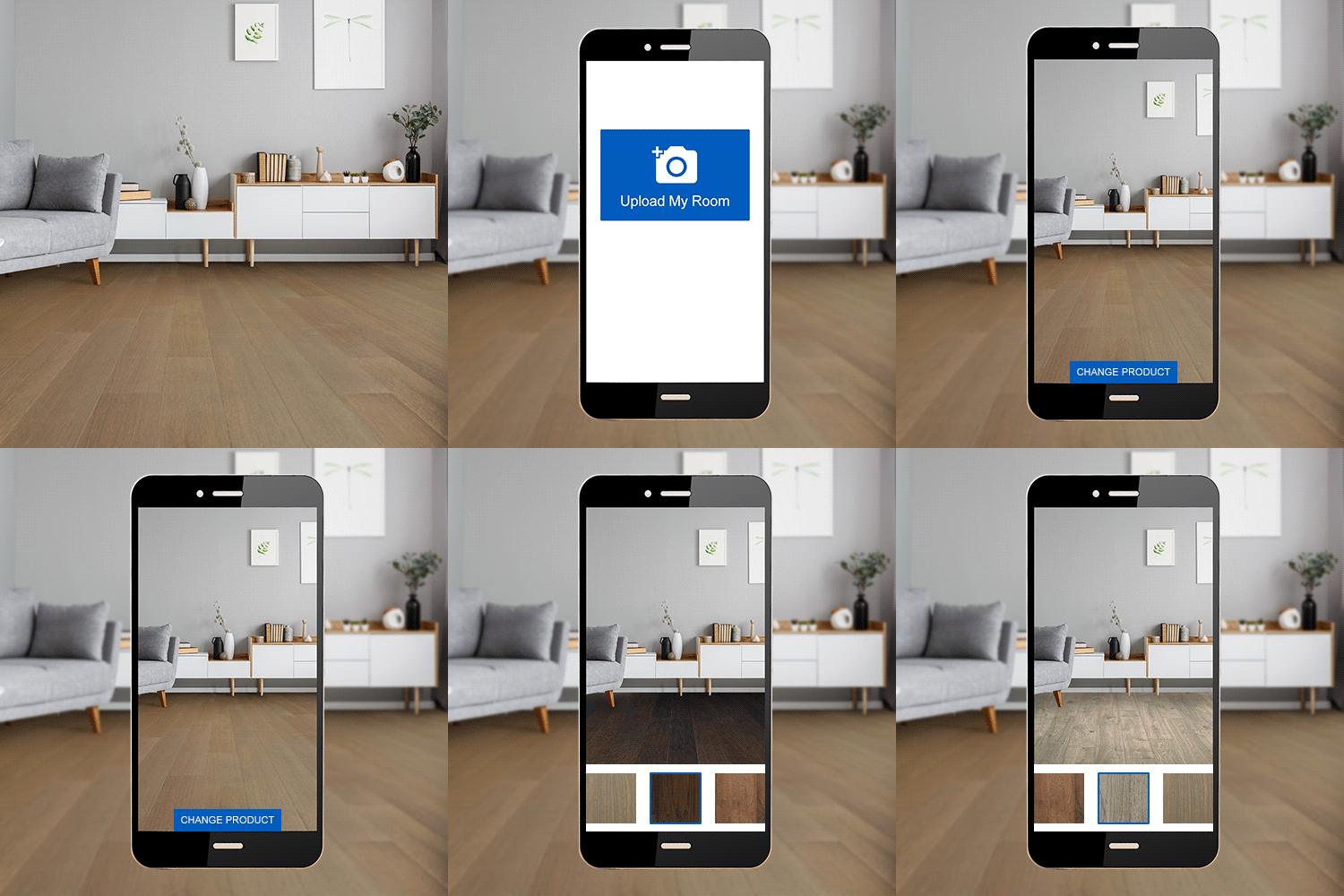
Not sure which direction to go? If you live in one of our service areas, schedule your FREE in-home estimate with Empire Today®. A flooring professional will bring samples right to your door, so you can see how each option looks in your own entryway, in your own light!